In a city where historic Phoenician charm seamlessly intersects with contemporary European innovation, the stylish lunch malaga restaurants scene has emerged as a primary attraction for those who view dining as a comprehensive, multi-sensory aesthetic experience. Modern Málaga has rapidly transcended its traditional roots, giving rise to a new generation of venues where interior design, table styling, and plate presentation are treated with the same rigorous intellectual discipline as the culinary techniques practiced in the kitchen. For the aesthetic-conscious diner, a midday meal is no longer just about sustenance; it is an opportunity to immerse oneself in environments that range from sleek, minimalist industrialism to lush, avant-garde Andalusian courtyards. This careful curation of atmosphere serves a specific strategic purpose: it elevates a simple meal into a memorable cultural event, ensuring that the visual narrative of the physical space perfectly complements the sophisticated flavors appearing on the plate.
The Intersection of Design and Gastronomy
The contemporary Málaga lunch standard is increasingly defined by the concept of “visual storytelling,” where the architecture speaks as loudly as the chef. Top-tier establishments now collaborate with renowned architects and award-winning interior designers to create spaces that evoke a specific emotional response before the first course is even served. Whether it is the intentional use of reclaimed 19th-century hydraulic tiles, hand-blown glass light fixtures from local artisans, or custom-designed ergonomic furniture, these venues prioritize a cohesive and unmistakable brand identity. This extreme attention to detail signals a high level of professional pride and suggests a vital culinary promise: if such meticulous care is taken with the lighting and acoustics, the same level of precision is undoubtedly applied to the ethical sourcing of ingredients and the technical execution of the seasonal menu.
Curating the Aesthetic Dining Experience
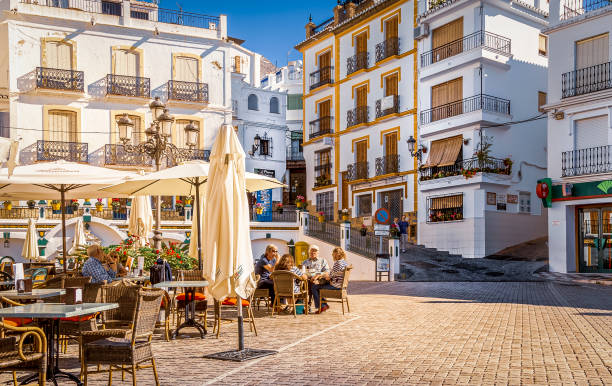
A truly stylish lunch venue is identified by much more than just a trendy color palette or a popular Instagram corner; it is characterized by a “curated” feel where every single element, from the specific weight of the polished cutlery to the tactile texture of the recycled menu paper, has been deeply considered. In the city center, many of the most visually striking restaurants are housed within beautifully restored palaces or repurposed industrial warehouses, creating a compelling and constant dialogue between the city’s rich history and its forward-looking creative energy. This environment encourages a slower, more appreciative pace of dining, where the guest is invited to notice the harmony between the historic stone walls and the cutting-edge modern art displayed upon them.
Key markers of a premier stylish lunch location include:
- Architectural Integrity: The sensitive, high-budget restoration of historic features paired with bold, uncompromising modern interventions.
- Plate Artistry: A commitment to culinary presentation where the arrangement of colors, textures, and micro-garnishes transforms the dish into a visual centerpiece.
- Atmospheric Lighting: The masterful use of natural Mediterranean light during the day to highlight the textures of the decor and the vibrant freshness of the food.
- Service Choreography: A dedicated staff that moves with a level of professionalism, poise, and aesthetic alignment that matches the high-end environment.
By selecting a venue that hits these specific marks, you ensure that your lunch provides a comprehensive experience that satisfies both the sophisticated palate and the discerning eye.
Modern Minimalism vs. Neo-Andalusian Opulence
Málaga’s stylish dining scene generally bifurcates into two distinct and powerful aesthetic directions, allowing diners to choose a specific “vibe” that best suits their personal style or the social occasion.
| Aesthetic Style | Design Elements | Best For |
| Modern Minimalism | Clean lines, neutral tones, industrial materials, and expansive open spaces. | Tech entrepreneurs, creative professionals, and quiet, focused contemplation. |
| Neo-Andalusian | Bold colors, intricate tilework, lush internal greenery, and rich velvet accents. | Celebratory social lunches, fashion enthusiasts, and high-impact social influence. |
| Organic Chic | Natural untreated wood, linen fabrics, dried local flora, and earthy hand-thrown ceramics. | Wellness-focused diners and relaxed, high-end casual networking meetings. |
| Art Deco / Retro | Geometric patterns, polished brass details, and 1950s-inspired cinematic glamour. | Nostalgic luxury and those who enjoy a “Golden Age” Mediterranean atmosphere. |
Understanding these distinct design languages helps you match the venue to your current mood, ensuring the physical environment reinforces the specific “energy” and tone you wish to bring to the table.
The Allure of Soho’s Creative Gastro-Lofts
The Soho district has rapidly become the beating heart of Málaga’s “cool” dining culture, characterized by soaring high ceilings, exposed structural brickwork, and an effortless, loft-style aesthetic that mirrors New York or Berlin. Venues here often function as hybrid spaces where contemporary art and progressive food intersect in unexpected ways. You might find yourself dining under a large-scale, provocative mural by a world-famous street artist or seated in a refurbished chair that is itself a documented piece of mid-century modern history. The lunch offerings in Soho tend to be as inventive as the surroundings, often featuring complex fusion cuisine that mirrors the neighborhood’s international, rebellious, and creative spirit. For the diner who values a vibrant, artistic, and slightly edgy atmosphere, Soho provides the city’s most compelling midday aesthetic.
Rooftop Elegance and Vertical Design
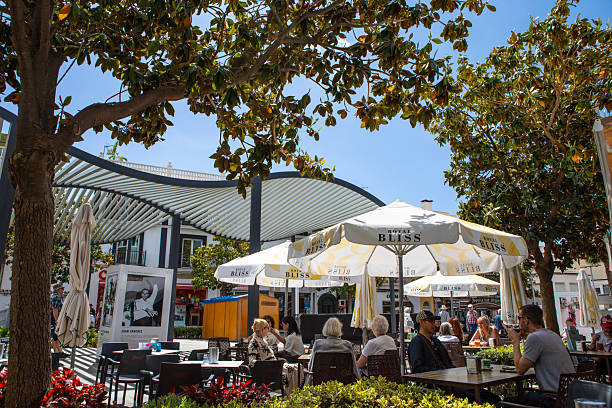
For many, the ultimate stylish lunch in Málaga involves ascending far above the crowded city streets to gain a new perspective. The rise of sophisticated rooftop restaurants has added a vital vertical dimension to the city’s design profile, turning rooftops into elite social hubs. These venues prioritize the “view as decor,” using glass-fronted terraces and low-profile, minimalist furniture to ensure the dramatic silhouette of the Cathedral or the shimmering Mediterranean Sea remains the primary visual focus. The design here is often sleek and nautical-inspired, utilizing whites, deep blues, and natural timbers to create a seamless transition between the interior space and the open sky. A rooftop lunch offers a sense of exclusivity and “hushed” luxury that is simply impossible to replicate at street level.
The Role of “Table-Scaping” in Style
In the dining culture of 2026, the concept of “table-scaping” has become a vital and expected component of the stylish lunch experience. The most forward-thinking restaurants in Málaga no longer rely on standard, mass-produced white tablecloths. Instead, they use custom-fired ceramics from local Malagueño potters, artisanal hand-woven linens, and even intricate table-top installations consisting of seasonal flora or small architectural objects. This intense focus on the “micro-environment” of the table ensures that every perspective, especially the one from the diner’s own seat, is visually stimulating and unique. When the table itself is treated as a work of art, it frames the food in a way that emphasizes its quality and the chef’s specific creative vision, making every bite feel like part of a larger masterpiece.
Finding Style in the Historic Jewish Quarter
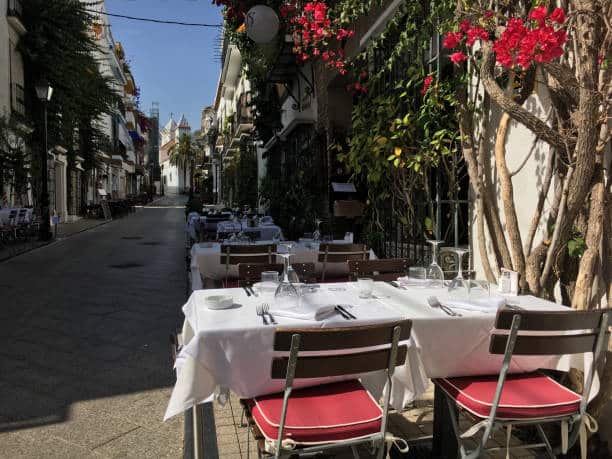
The narrow, winding, and mysterious streets of the Jewish Quarter (Judería) house some of the city’s most sophisticated and “hidden” stylish gems. These restaurants often utilize the “alleyway” (kaleja) aesthetic, creating intimate, dimly lit, and textured spaces that feel like exclusive urban sanctuaries. The design here is frequently more somber, tactile, and traditional, emphasizing the raw, ancient beauty of exposed stone walls and massive wood-fired ovens. This “quiet luxury” focuses on authenticity and the slow, deliberate pace of traditional Andalusian cooking, cleverly reimagined through a modern, minimalist lens. It is the perfect setting for those who find true style in the understated, the historic, and the expertly executed detail.
Comparing Atmosphere: The Courtyard vs. The Street-Side
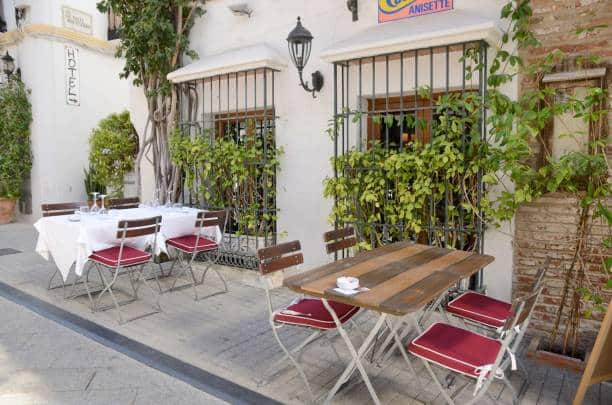
Málaga’s legendary climate allows for a wide variety of stylish “alfresco” experiences, each with its own unique design language, lighting profile, and social vibe.
| Setting | Aesthetic Vibe | Visual Focus |
| Secret Courtyard (Patio) | Intimate, private, romantic, and cooled by design. | Fountains, hanging jasmine, and dramatic architectural shadows. |
| Urban Terrace | Cosmopolitan, high-energy, and socially connected. | Vibrant street life, historic facades, and elite people-watching. |
| Botanical Garden | Serene, lush, and naturally, organically organized. | Floral scents, dappled midday sunlight, and soft organic textures. |
Choosing between the secluded, cool sanctuary of a private patio and the vibrant, sun-drenched pulse of a street-side terrace allows you to curate the exact level of social “exposure” and visual stimulation you desire for your midday break.
Gastronomy as a Visual Performance
In many of the city’s most stylish new venues, the kitchen is no longer a hidden, functional room but a central, illuminated stage. Open kitchens featuring sleek polished stainless steel, organized rows of glowing copper pans, and precision induction surfaces allow diners to witness the “performance” of their meal being prepared in real-time. This transparency is a key element of modern restaurant design; it creates a sense of absolute trust and adds a dynamic, kinetic energy to the atmosphere. Watching a professional chef meticulously garnish a plate with edible flowers or precision-poured herb oils adds a layer of appreciation for the craft, making the food feel like an integral, living part of the venue’s overall artistic output.
The Impact of Color Theory on Dining Mood
Stylish restaurants in Málaga are increasingly using advanced color theory to subtly influence the overall dining experience and guest behavior. Deep, “moody” blues and forest greens are often used in more formal, hushed environments to encourage long, deep, and meaningful conversations, while bright, warm tones like terracotta, ochre, and mustard are found in high-energy gastro-lounges to stimulate appetite and lively social interaction. A well-designed restaurant uses color as a silent language to tell you how to feel and how to behave within the space, creating a subconscious harmony between the diner and the physical environment. Recognizing these subtle cues can help you select a venue that perfectly aligns with the specific social or professional purpose of your lunch.
Strategic Lighting: The Midday Glow
Lighting is perhaps the most critical, yet frequently overlooked, element of a truly stylish lunch. A premier venue knows exactly how to manage the intense, sometimes harsh Andalusian sun, using architectural louvers, heavy linen drapes, or strategically tinted glass to create a “soft-focus” or “golden hour” effect indoors. As the lunch progresses and the sun moves across the sky, the movement of light through the space can change the mood entirely, highlighting different design details or hidden architectural features. This dynamic quality keeps the environment feeling fresh, alive, and ever-changing. When a restaurant masters its midday lighting, it ensures that every guest, and every vibrant plate of food, looks its absolute best, significantly enhancing the overall sense of well-being and luxury.
Maintaining Culinary Excellence Amidst the Design
While aesthetics are paramount in these venues, the truly elite stylish lunch spots in Málaga never allow the expensive decor to overshadow the fundamental work of the kitchen. There is a common “design-quality” trap that some superficial venues fall into, but the city’s top establishments avoid this by ensuring the food is every bit as impressive as the designer furniture. A menu that features high-quality, locally sourced produce, such as Almadraba bluefin tuna, Sabor a Málaga artisanal cheeses, and sun-ripened Axarquía avocados, proves that the restaurant’s commitment to excellence is more than skin-deep. In these venues, the high-end style is a tribute to the inherent quality of the ingredients, providing a sophisticated and respectful frame for the true star of the show: the meal itself.
Conclusion: Style as a Culinary Ingredient
A stylish lunch in Málaga is a definitive statement that dining is, and should be, a respected art form. By choosing a venue that prioritizes design, atmosphere, and visual presentation, you are investing in an experience that transcends the traditional, functional midday break. From the industrial-chic lofts of Soho to the hushed, historic sanctuaries of the Jewish Quarter, the city offers a diverse palette of aesthetic experiences to suit every refined taste. These stylish lunch malaga restaurants are the new landmarks of the city’s cultural landscape, proving that when high-end design meets world-class gastronomy, the result is a meal that is as beautiful to look at as it is to savor. In Málaga, the most stylish lunches are those where the environment, the service, and the plate arrive in perfect, curated harmony.

Rose Gonzales
Editor & Restaurant Researcher at Costatable
Rose Gonzales is part of the editorial team behind Costatable, where she works with restaurant research, local food discoveries, and content creation focused on Málaga and the Costa del Sol. With a passion for authentic dining experiences and hidden local gems, Rose spends much of her time exploring cafés, brunch spots, restaurants, and food trends across the region.
Her work combines detailed research with a natural storytelling style, helping readers discover everything from stylish brunch cafés and cozy coffee bars to elegant dinner restaurants and local favorites. Rose focuses on the small details that matter — atmosphere, presentation, service, quality, and the overall dining experience.
At Costatable.com, Rose contributes both editorial content and behind-the-scenes restaurant research, helping ensure the platform stays updated with fresh recommendations and inspiring food guides for travelers and locals alike.