In a city that has rapidly and successfully ascended to the very top of international travel lists, the true, unfiltered soul of Málaga is increasingly found away from the polished marble and high-end retail of Calle Larios. For the discerning diner who values substance over spectacle, a hidden lunch spots malaga search is not about finding the most popular sunny terrace or the most photographed storefront, but about discovering those “off-radar” establishments where the daily menu is still written by hand on a worn chalkboard and the patrons are primarily neighborhood locals who have been visiting for decades. These venues offer a profound sense of discovery that simply cannot be replicated in the more tourist-centric districts. They are characterized by a refreshing lack of pretension, a deep, unwavering commitment to regional culinary traditions, and an atmosphere that feels like stepping into a private, welcoming community. Finding these spots requires a genuine willingness to venture into the narrow, winding side streets and residential barrios where the city’s authentic midday rhythm remains largely undisturbed by global trends.
The charm of the unpromoted Malaga Taberna
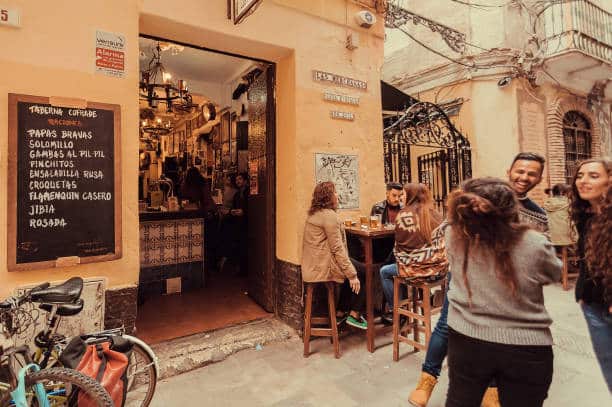
The most rewarding and culturally significant hidden lunch experiences in Málaga often take place in what can be described as “unpromoted” tabernas, places that essentially have no formal marketing budget and rely entirely on decades of local reputation and word-of-mouth. These venues are typically family-run, with service that is direct, incredibly efficient, and deeply knowledgeable about the nuances of the daily specials. In these intimate spaces, the decor is strictly secondary to the quality of the guiso (homemade stew) or the precise freshness of the fritura (fried fish). There is a profound sense of historical continuity here; the recipes have often remained entirely unchanged for generations, providing a direct edible link to the city’s working-class past. For the curious visitor, being welcomed into such a domestic environment offers a rare and valuable glimpse into the private side of Malagueño life that exists vibrantly behind the city’s modern, glossy facade.
Identifying Authentic Local Institutions
Finding a “hidden gem” in a dense urban environment requires looking for specific behavioral and environmental cues that signal genuine authenticity. A true local favorite almost never has staff positioned outside inviting you in with flyers, nor does it feature glossy, multilingual picture menus designed for international appeal. Instead, these places are often identified by their remarkably understated exteriors and the sheer density of patrons during the peak Spanish lunch hour, which typically falls between 2:30 PM and 4:00 PM. Observing where the local workforce congregates is often the most reliable map to high-quality, hidden food.
Key markers of a reliable hidden lunch spot include:
- The Napkin Test: Traditional local bars often have small, thin paper napkins scattered on the floor near the bar, a classic, albeit counter-intuitive, sign of a high-volume, beloved neighborhood institution.
- The Daily Menú del Día: A simple handwritten sign listing a three-course meal for a fixed, very affordable price (usually between €10 and €15), including bread and a drink.
- Limited Seating: Many authentic spots are “standing room only” at the bar or feature only a handful of small, crowded tables that encourage social proximity.
- Specialized Expertise: A singular focus on a specific type of dish, such as a bar known exclusively for its albóndigas (meatballs), its magro con tomate, or its porra antequerana.
By prioritizing these organic markers over aesthetic polish or social media fame, you uncover the reliable, high-quality kitchens that the city’s residents intentionally keep to themselves.
Comparing Hidden Gems by Neighborhood
Each district of Málaga possesses its own “secret” culinary profile, offering vastly different types of hidden experiences depending on how far you are willing to walk from the historic center.
| Neighborhood | Vibe | Typical Hidden Find |
| El Perchel | Gritty, historic, and working-class | Traditional fish fryers and old-school worker cafes with immense portions |
| La Goleta | Residential, quiet, and deeply authentic | Small family-run “mesones” serving hearty, slow-cooked regional stews |
| Soho (Backstreets) | Artistic, evolving, and slightly edgy | Small, specialized wine bars featuring artisanal tapas and craft vermouth |
| El Palo | Coastal, no-frills, and community-driven | Non-tourist chiringuitos where locals eat espetos far from the crowds |
Exploring these diverse neighborhoods allows you to move decisively beyond the “museum belt” and experience the various culinary micro-climates that make up the real, multifaceted Málaga.
The Ritual of the Menú del Día
The Menú del Día is the ultimate hidden lunch tool for the budget-conscious yet quality-focused traveler. While many tourist-facing restaurants offer their own versions, the “authentic” menu is found in the backstreets and is designed primarily for the local workforce. It typically includes a hearty starter (often a legume-based soup or a fresh salad), a substantial main course (fresh fish or grilled meat), a simple dessert or coffee, and a drink, all for a single, remarkably low fixed price. This is not just a meal; it is a vital social institution that provides a sense of routine to the city. To find the very best ones, look for bars located near traditional markets or administrative office buildings where the chalkboard is updated daily by hand by the owner. These menus provide an incredible variety of seasonal, home-cooked food that most travelers never get to experience, offering deep nutritional value and a truly consistent quality of fresh ingredients.
Discovering the “Kitsch” of La Recova
Tucked away in an unassuming corner near the Church of San Juan, La Recova is a prime example of a hidden gem that successfully blends local shopping with authentic dining. Nominally a craft and antique shop, it hides a small, highly authentic breakfast and lunch counter at the back. The “hidden” element here is the sheer atmosphere, it is filled to the brim with Andalusian memorabilia, old ceramics, religious icons, and vintage posters, creating a “grandmother’s house” aesthetic that is entirely unique in the city. Their lunch offerings are simple, rustic, and focused on high-quality local products like artisanal sausages, flavored olive oils, and regional cheeses. It is the perfect spot for those who want a lunch that feels like a personal discovery, providing a quiet, textured, and eccentric alternative to the high-energy bars of the main tourist plazas.
The Holy Week Sanctuary: Las Merchanas
For an experience that feels deeply embedded in Málaga’s cultural and religious DNA, Las Merchanas is a must-visit “secret” that residents cherish. Located down an incredibly narrow, easy-to-miss street in the historic center, this tapas bar is famously and obsessively dedicated to the city’s Holy Week (Semana Santa) traditions. The walls are covered from floor to ceiling with processional photos, incense burners, velvet brotherhood tunics, and various memorabilia. While it is well-known among locals, many thousands of tourists walk right past its unassuming entrance every single day. The lunch here is traditional and hearty, specializing in classic fried snacks, croquetas, and montaditos. The “hidden” value here is the immersive cultural atmosphere; even outside of Easter, the bar maintains a hushed, reverent, yet social energy that is absolutely unique to the city’s religious heritage.
Exploring the “Other” Markets: Mercado de Bailén
While the Atarazanas market is world-famous and visually stunning, the Mercado de Bailén, located across the river in a purely residential district, is where the real hidden lunch magic happens for the adventurous foodie. This market is almost entirely devoid of tourists, serving the everyday, practical needs of the surrounding neighborhood residents. The small bars located both inside and surrounding the market footprint offer some of the freshest and most affordable seafood in the entire city. Dining here provides a genuine sense of “urban exploration,” as you navigate a space that is focused entirely on the local community. The food is simple, market-driven, and incredibly consistent, offering a “raw” and authentic version of the market-dining experience found in the more polished center.
Comparing Traditional vs. Modern Hidden Spots
Not all hidden gems are old-fashioned or dusty; a new wave of modern “speakeasy” style venues is emerging in the backstreets of Soho and the Centro for those with a more contemporary taste.
| Feature | Traditional Hidden Spots | Modern “Secret” Spots |
| Signage | Often just a simple name or a generic “Bar” | Minimalist, cryptic, or completely absent from the street |
| Cuisine | Regional classics, fried fish, and stews | Creative fusion, small-batch wines, and craft beverages |
| Atmosphere | Loud, social, bright, and very functional | Dimly lit, curated, exclusive, and often industrial |
| Best For | Total cultural immersion and extreme value | A “cool” discovery and intimate, private conversation |
Balancing your itinerary with both types of hidden venues ensures a well-rounded and sophisticated view of how Málaga’s culinary scene is evolving while still deeply respecting its historic roots.
The Coastal Escape: El Palo’s Backstreet Bars
To find the true “hidden” seafood lunch, one must bypass the main, increasingly crowded promenade of Pedregalejo and head further east into the residential alleys of El Palo. While the beach bars (chiringuitos) are excellent for views, the small bars tucked two or three streets back from the sand are where the local fishermen and their families actually eat. These spots often serve espetos of sardines and various types of fried fish at a significant fraction of the beachfront price, accompanied by a much more authentic, no-frills service style. The “discovery” here is the neighborhood itself, a traditional fishing village that has remarkably maintained its character despite the city’s rapid growth. It is a place where you can sit on a simple plastic chair in a sun-drenched alley and enjoy world-class sardines while the everyday neighborhood life unfolds around you.
Authentic Tapas at Taberna La Tranca
While it is steadily gaining popularity, La Tranca in the Carretería area still manages to retain the chaotic soul of a hidden neighborhood local. It is a small, vibrant, and incredibly high-energy space where the walls are lined with old vinyl records and the staff keeps track of your running tab by writing in chalk directly on the wooden bar surface. The lunch experience here is one of high-energy socialization; you will almost certainly be standing shoulder-to-shoulder with regulars and local artists. The food, specifically the thick empanadas and the vermut de grifo (vermouth on tap), is exceptionally consistent and prepared with love. The “hidden” appeal is the feeling of being part of an exclusive local club; it is a place where the music is loud, the conversations are passionate, and the vibe is purely, unadulteratedly Malagueño.
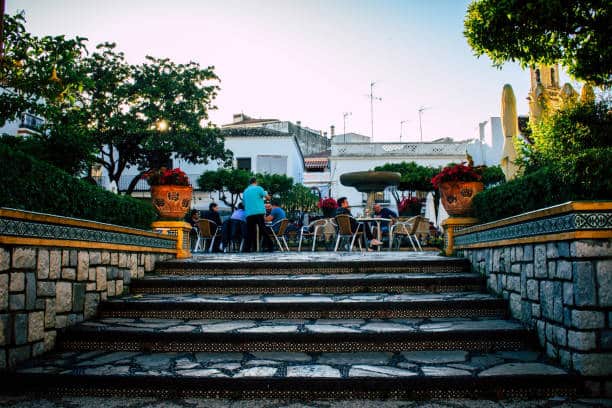
Some of the most beautiful and tranquil hidden lunch spots in the city are located inside the lush interior patios of historic buildings, completely invisible to anyone passing by on the street. Many of these are connected to small cultural centers, private museums, or boutique hostels that value quietude. These courtyards offer a peaceful, shaded, and naturally cooled sanctuary from the intense heat and noise of the city streets. Because they are not visible to random passersby, they remain surprisingly quiet even during the peak tourist season. Finding them often requires a bit of pre-visit research or a bold, inquisitive “peek” through a heavy, closed wooden door. The lunch menus in these spaces are often lighter and more contemporary, providing a serene environment for a relaxed, restorative midday break that feels like your own private discovery.
Maintaining the Spirit of Discovery
The most important part of successfully finding and enjoying hidden lunch spots is maintaining a spirit of genuine curiosity and deep respect for the established local norms. These venues are cherished local treasures precisely because they haven’t been “standardized” or sanitized for the global traveler. When you visit, embrace the local customs: eat standing at the bar if it’s busy, try the daily special even if you’re not entirely sure of the ingredients, and be prepared for service that is professional and efficient but not necessarily overly servile. By treating these places with the respect and appreciation they deserve, you help preserve the very authenticity that makes them so worth finding in the first place. A successful hidden lunch is one where you leave not just with a full stomach, but with a deeper, more personal, and lasting connection to the city of Málaga.
Conclusion: The Reward of the Side Street
A hidden lunch in Málaga is the ultimate reward for the curious, patient traveler who is willing to look beyond the obvious. By stepping off the main tourist track and into the “hidden” areas of the city center and surrounding residential barrios, you unlock a version of Málaga that is rich with character, history, and authentic, uncompromised flavor. Whether it is a rustic, steaming stew in a backstreet taberna, a fresh seafood plate in a neighborhood market, or a quick, salty montadito in a Holy Week-themed bar, these experiences are the true, lasting highlights of any visit. These hidden lunch spots malaga are the guardians of the city’s ancient soul, proving that the very best meals are often those that require just a little extra effort and a keen eye to find. In Málaga, the most memorable discoveries are always just one narrow side street away.
Last updated: 8 september 2026

Rose Gonzales
Editor & Restaurant Researcher at Costatable
Rose Gonzales is part of the editorial team behind Costatable, where she works with restaurant research, local food discoveries, and content creation focused on Málaga and the Costa del Sol. With a passion for authentic dining experiences and hidden local gems, Rose spends much of her time exploring cafés, brunch spots, restaurants, and food trends across the region.
Her work combines detailed research with a natural storytelling style, helping readers discover everything from stylish brunch cafés and cozy coffee bars to elegant dinner restaurants and local favorites. Rose focuses on the small details that matter — atmosphere, presentation, service, quality, and the overall dining experience.
At Costatable.com, Rose contributes both editorial content and behind-the-scenes restaurant research, helping ensure the platform stays updated with fresh recommendations and inspiring food guides for travelers and locals alike.