Best Hidden Dinner Spots in Málaga
If you’re tired of the tourist traps along the waterfront, you’re in for a treat. Some of the best dinners in Málaga aren’t found on fancy websites or Instagram. They’re tucked away in narrow alleys, family-run bars, and mountain retreats that barely advertise. These are the places where locals go when they want a real meal.
How to Actually Find Authentic Spots
In 2026, calling something “hidden” means something different than it used to. It’s not just about location anymore—it’s about finding places that haven’t compromised their identity for tourists. These are restaurants with menus in Spanish, staff who treat you like a neighbor, and food that tastes like someone’s grandmother is in the kitchen. Because, often, she is.
Here’s what to look for:
Skip the neon signs. Real restaurants don’t need glowing digital boards. Look for hand-painted signs or just a simple wooden door. If there’s a crowd of older locals leaning against a high table with wine glasses at 9:30 PM, you’ve found something worth trying.
Stick to neighborhoods like El Perchel, Trinidad, and La Victoria. These areas have family-run kitchens that have been serving the same people for generations. They’re not trying to be trendy—they’re just trying to be good.
Check what oil they serve. Sound weird? It’s not. High-quality local spots always use premium extra virgin olive oil from the province. If that’s good, the rest of the meal usually follows.
If you want structured recommendations, check out Costatable’s hidden gems in Málaga to jump-start your search.
Taberna La Pechá: Hidden in Plain Sight
Soho is getting prettier and more international every year, but Taberna La Pechá refuses to change. It’s tucked away on a side street most tourists never find, and that’s exactly the point.
This place is built on Spanish tavern culture. They serve vermouth from the barrel—proper regional stuff—paired with their legendary Spanish omelets. The black garlic tortilla is the one people talk about. It’s rich, earthy, and tastes nothing like the sad omelets you’ve had before.
The crowd is mostly locals. The energy is buzzing. It feels earned rather than engineered.
Arrebato Gastrotaberna: Down a Stone Alley
You could walk past this place ten times and never notice it. The entrance is just an unassuming door on a narrow stone alley near Plaza de la Merced.
Inside, it’s small and dimly lit—immediately you feel like you’ve stumbled onto something secret. The menu takes traditional Andalusian food (almond soups, slow-cooked pork) and treats it with real respect. It’s comforting but also technically surprising. And unlike a lot of “hidden” spots, they actually have excellent vegetarian options.
The alley itself acts as a sound barrier from the city noise, so you can have one of those long, lazy dinners where the conversation matters more than anything on the plate. If you’re looking for romantic spots with atmosphere, this is exactly it.
Tapería El Beato: Where Nobody Pretends
Right in the city center, this little bar flies completely under the radar. It’s standing room only at the bar, packed with university students, office workers, and older residents all squeezed together. It’s actual democracy in action.
The menu is short on purpose—a kitchen that does a few things well instead of many things poorly. High-quality meats, artisanal cheeses, traditional stews. Everything is honest, generous, and incredibly cheap for where you are.
No reservations needed. No dress code. Just good food at fair prices. This is the definition of casual dining done right.
The Ventas: Real Mountain Dining
Venture 15-20 minutes outside the city center into the hills and you’ll find the “Ventas”—country inns that have been serving travelers for centuries. This is where Málaga’s mountain soul lives.
You won’t find English menus or mood lighting. You’ll find bright lights, paper tablecloths, and views of the city lights and bay that will stick with you forever. The portions are enormous. The value is insane. The noise is exactly what you want.
This is where Malagueño families go for their Sunday lunches. It’s loud, chaotic, and completely real. Venta El Túnel feels like stepping into a different era of Spanish history. It’s the opposite of polished—and that’s the whole point. For comparison, check Costatable’s fine dining options to see the contrast.
Pedregalejo’s Secret Back Row
Everyone goes to the Pedregalejo promenade for sunset views. The smart locals go one block back, to the residential streets where fishermen actually eat.
These spots don’t pay the beachfront premium, so they spend way more on ingredients. Better fish, better prices. Many of them have small interior patios converted into dining rooms—quiet and intimate instead of loud and crowded.
Always ask for the catch of the day. You’ll find rare local rockfish and deep-sea shrimp that the busy tourist restaurants don’t bother stocking. These are the kind of sunset dinner experiences that define a great trip.
El Pimpi: The Institution
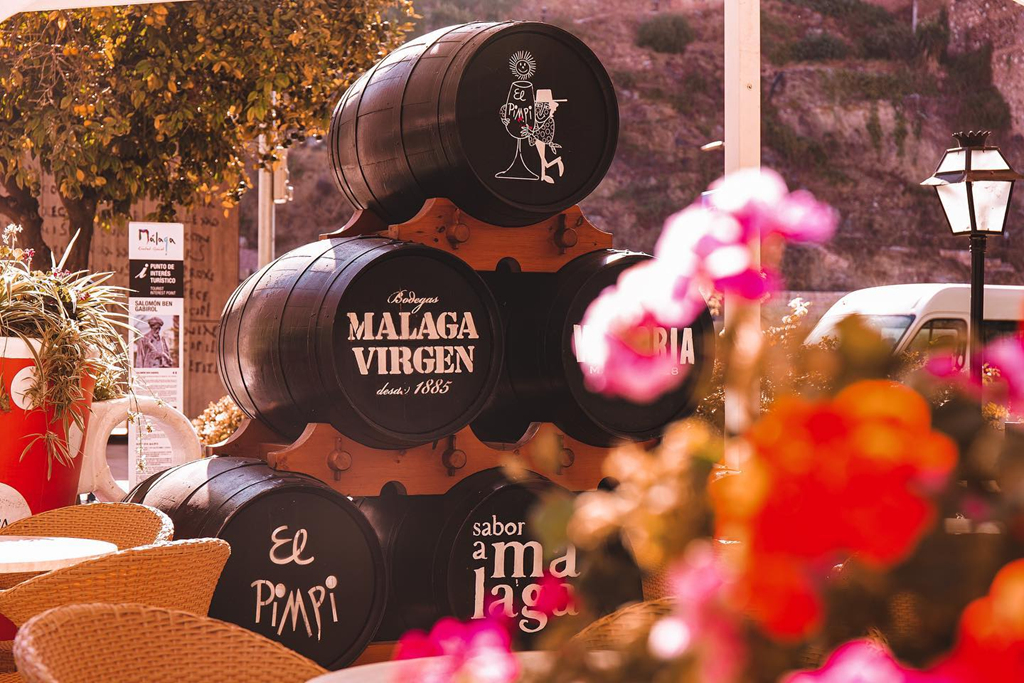
El Pimpi isn’t trying to be hidden—it’s been here so long it doesn’t need to be. This is Málaga’s most iconic tavern, the kind of place that defines what a proper Spanish bar actually is.
The walls are covered in photos, posters, and decades of history. The energy is controlled chaos—locals at the bar, groups at tables, wine flowing constantly. The menu is simple: jamón, cheese, seafood, croquetas. Everything is exactly what it should be.
What makes El Pimpi special is that despite being famous, it never sold out. It’s still packed with locals. The prices are still fair. The quality is still honest. It’s a masterclass in how a restaurant can be popular without being pretentious.
If you only find one hidden gem in Málaga, make it this one. Learn more at elpimpi.com
The Natural Wine Scene (The New Hidden)
By 2026, a new type of hidden spot has emerged: tiny wine bars focusing on natural, low-intervention wines from the Axarquía region. Most don’t even have signs. They survive on word-of-mouth from the city’s creative community.
Four tables, one sommelier, a conversation about soil and grapes. No pretense, only passion. Pair that with premium cured meats, goat cheese from the Sierra Norte, and artisanal sourdough bread. The wine is the star.
This is the new definition of a hidden gem. During the day, scout neighborhoods with Costatable’s best cafes to find wine bar neighborhoods.
Finding Your Own Hidden Spot
The best approach? Trust the small things. Look at the bread—is it fresh from a local bakery or frozen? Check the olive oil. Ask about the daily special that’s not on the menu. These details tell you whether a kitchen cares.
When you’re ready to commit to a reservation, Costatable makes it simple. You can browse the best restaurants in Málaga, read verified reviews from real people, check current availability, and book instantly. No stress, just good information.
The search for authenticity shouldn’t be stressful. Sometimes you just need reliable data and the willingness to venture off the main streets. If you want to explore more options, check casual lunch spots to see where locals eat during the day—nighttime spots often shine at lunch too.
Timing and Atmosphere
Hidden spots have different energy at different times. Some are packed at 10 PM but relaxed at 8:30. Others are standing-room-only at the bar but have quiet tables in the back. Costatable’s best dinner guide is helpful if you want recommendations organized by vibe and timing.
Why These Spots Matter
Hidden restaurants aren’t special because they’re hard to find. They’re special because they represent what Málaga actually is—not the postcard version, but the real thing. The food tastes different because someone who cares about it made it. The atmosphere feels genuine because it’s built on years of serving the same community.
These are the dinners you’ll remember. Not because they were fancy or Instagrammable, but because they felt real. Because you connected with something authentic.
That’s what Málaga is really about. And that’s what makes the hunt worth it.
Ready to explore? Start with Costatable’s restaurant directory and trust your instincts from there.

Rose Gonzales
Editor & Restaurant Researcher at Costatable
Rose Gonzales is part of the editorial team behind Costatable, where she works with restaurant research, local food discoveries, and content creation focused on Málaga and the Costa del Sol. With a passion for authentic dining experiences and hidden local gems, Rose spends much of her time exploring cafés, brunch spots, restaurants, and food trends across the region.
Her work combines detailed research with a natural storytelling style, helping readers discover everything from stylish brunch cafés and cozy coffee bars to elegant dinner restaurants and local favorites. Rose focuses on the small details that matter — atmosphere, presentation, service, quality, and the overall dining experience.
At Costatable.com, Rose contributes both editorial content and behind-the-scenes restaurant research, helping ensure the platform stays updated with fresh recommendations and inspiring food guides for travelers and locals alike.