Málaga is not short of places to get a coffee. Walk any street in the historic centre and you will find a bar with a machine, a counter, and someone who will pour you a café con leche in under a minute. This is not the problem. The problem is that most of those places are fine without being particularly good, and in a city with a genuine café culture and an increasingly serious specialty coffee scene, fine is not the right answer.
This guide covers the full range — the traditional bars where the coffee is embedded in the morning routine of the city, the specialty cafés where the extraction is calibrated and the beans are sourced carefully, the all-day spots where the food matches the coffee, and the places worth making a detour for. It is not a list of every café in Málaga. It is a guide to the ones that are worth your time.
For specific angles — outdoor terrace seating, the traditional breakfast experience, the specialty coffee scene specifically, cafés in the Soho arts district — the supporting guides below go deeper. This page gives you the overview and the context.
What Makes a Café Worth Staying In
Before getting into specific places, it is worth being clear about what the difference is. Málaga has hundreds of bars and cafés. Most serve coffee. Far fewer are the kind of place where you order a second coffee without particularly planning to.
The places that work tend to get several things right simultaneously. The coffee is good — not just drinkable but actually worth paying attention to. The room has been thought about: the seating works for the kind of visit you are making, whether that is ten minutes standing at the counter or an hour with a laptop and a second pastry. The service is there when you need it and absent when you do not. And the overall atmosphere does not make you feel like your presence is an imposition or a transaction.
That combination is harder to achieve than it sounds, which is why the places that manage it become regulars rather than one-time visits.
The Traditional Side: Café Con Leche Culture
Málaga’s coffee tradition is distinct from the specialty coffee world. It has its own vocabulary — sombra, mitad, corto, largo, solo — and its own pace. The traditional café con leche at a zinc counter at 8am is not a lesser version of the specialty flat white. It is a different drink serving a different purpose, and the best traditional bars do it as well as anything the specialty end offers.
Casa Aranda is the reference point for churros con chocolate in Málaga — thick dark chocolate, churros fried to order, eaten standing up in a room that has been doing this for decades. It is loud, fast, and completely unapologetic about both. Go on a weekday morning to avoid the weekend crowds. The best breakfast cafés guide covers Casa Aranda alongside the other traditional breakfast options across the city, including the bars inside the Atarazanas Market that serve coffee and tostadas from 8am.
The traditional café experience in Málaga is covered in depth in the best breakfast cafés in Málaga — including the full Málaga breakfast vocabulary, what a tostada con aceite y tomate actually is, and which neighbourhoods have the best traditional bars.
The Specialty Coffee Scene
Málaga’s specialty coffee movement arrived later than in Madrid or Barcelona but has taken root properly. There are now several cafés in the city that source their beans with care, use good extraction equipment, and employ baristas who have trained properly. These are not the same as the traditional café con leche bars. They are asking a different question — what does this specific coffee actually taste like — and getting interesting answers.
Kima Coffee
Kima is the most technically focused specialty café in the city. The espresso programme is precisely calibrated, the pour-over options are handled well, and the bean sourcing rotates with the seasons rather than locking in a single commercial supplier. The space is modern and comfortable without being cold. It has not yet become overcrowded, which means you can still get a table and drink your coffee at a normal volume.
Mia Coffee Shop

Mia is smaller and more stripped-back than Kima. The entire operation is built around the quality of what is in the cup. The single-origin lots change seasonally. The baristas are not performative — they do not explain the coffee at length unless you ask. They make it and let it speak. It is one of the most consistently good small cafés in the city.
Bertani Café
Bertani is quieter and more focused than most specialty cafés on this list. The room is small, the pace is deliberate, and the coffee is consistently well-handled. It is not the most technically adventurous place in the city, but it does what it does every day without disappointing. It works best for a focused solo visit: drink the coffee while it is at its best temperature, pay attention to it, leave when you are ready.
Next Level Specialty Coffee
Next Level is one of the most focused coffee spots in the city centre. The space is minimal and calm, built around the coffee itself rather than the experience around it. The espresso is balanced and consistent, the milk is handled properly, and nothing feels accidental. For those who want specialty coffee in the historic centre rather than in Soho, this is the most reliable option.
The specialty coffee guide for Málaga covers all of these in depth, including what specialty coffee actually means in practice, what to order, and how the scene has developed in Málaga specifically.
The All-Day Spots
Desal Café
Desal is the most complete café experience Soho offers. The coffee is consistently well-extracted — specialty-level without being precious about it. The tostadas are made with proper bread and good olive oil. The pastry selection changes often enough to suggest someone is thinking about it. The room is calm, the small terrace works well on a good morning, and it is one of the rare places where both the coffee and the food are equally considered.
What makes Desal worth returning to is its reliability. It does not have good days and bad days. You know what you are going to get and it is always worth getting. It is also one of the few specialty-adjacent cafés in Málaga where sitting alone does not feel awkward.
RORO Café
RORO occupies a useful middle position. It is more relaxed than the pure specialty cafés — less technically rigorous, more atmosphere-forward — but the coffee is significantly better than the standard Málaga bar and the room is genuinely easy to be in for an extended period. It works for groups, for solo visits, for working, and for meeting someone. That flexibility is its main quality.
Santa Coffee Soho
Santa Coffee benefits from being slightly removed from the busiest streets. The pace is calmer and the coffee is consistent. People return because they know what they are getting, and the space accommodates longer visits without feeling like it is pushing you toward the door.
BYOKO Málaga
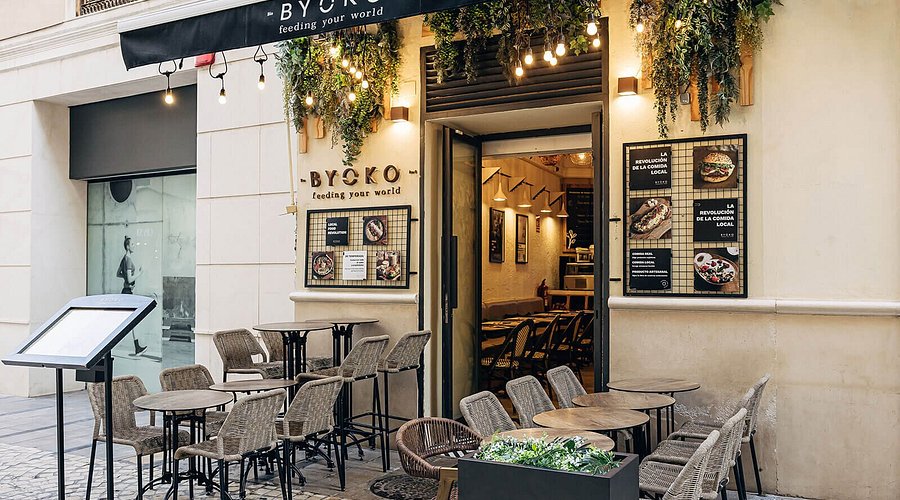
BYOKO sits between café and brunch spot, which makes it flexible. You can come for coffee and end up staying for food. The space is open and bright, and it settles you into a longer visit without effort. The coffee supports the overall experience rather than trying to dominate it. For morning visits that might extend into a full brunch, BYOKO is one of the better options in the centre.
The brunch guide for Málaga covers BYOKO and the other brunch-capable cafés in more detail, including which places run their full menu late enough to count as late brunch.
Cafés by Neighbourhood
Soho
The Soho arts district has the highest concentration of good specialty cafés in Málaga. Kima, Mia, Desal, RORO, and Santa Coffee are all within a short walk of each other. The neighbourhood suits café culture — residential streets, quieter terraces, local trade that keeps the quality honest. The best cafés in Soho Málaga covers the neighbourhood in full, including the street art context, the best morning timing, and how Soho fits into a wider day in the city.
El Centro
The historic centre has the widest range and the most variable quality. The better options are a block or two back from the main pedestrian streets — Next Level, Julieta Coffee, and several traditional bars in the streets around the Atarazanas Market. The tourist-facing places on Calle Larios and the main squares are generally not the best use of your time or money.
Recyclo Bike Café
Recyclo has genuine personality without trying too hard to show it. The cycling theme is present but does not dominate the space. Coffee is solid, food is simple, and the atmosphere makes conversations last longer than expected. It is not the most polished café in the city but it does not need to be. It works because it is comfortable.
La Malagueta and the Seafront
The seafront cafés and chiringuitos serve a simpler version of the café experience — tostadas, freshly squeezed orange juice, café con leche, eaten outside with the Mediterranean in front of you. The coffee is not specialty-level, but the setting compensates. For the best outdoor café experience in the city, the terrace café guide for Málaga covers the full range from the historic centre squares to Pedregalejo’s seafront.
Café with a Terrace
Sitting outside is the default in Málaga for most of the year. The best cafés with a terrace in Málaga covers the outdoor seating situation across the city — which squares get morning sun, which Soho streets have quiet terraces worth finding, and which seafront locations give you the best combination of setting and coffee. It also covers the practical notes: shade in summer, the price premium for outdoor tables, and which areas are quietest at which time of day.
Traditional Breakfast vs Specialty Coffee
It is worth being direct about the distinction. A traditional Málaga breakfast — tostada con aceite y tomate, zumo de naranja, café con leche — at a good traditional bar costs three to five euros and is one of the best-value morning meals in any European city. A specialty coffee at Kima or Mia costs two to three euros for an espresso and is a completely different experience.
Neither is better. They serve different purposes and different moods. The best breakfast cafés in Málaga makes this distinction clearly and covers both ends of the spectrum, including the market bars and neighbourhood traditional places that rarely appear in tourist guides.
Practical Notes on Café Culture in Málaga
Timing: Traditional bars open from 7:30am. Specialty cafés open from 8:30am to 9:30am. The peak for café visits is 9am to 11am on weekdays and 10am to noon on weekends. Most cafés close around 4pm or 5pm.
How to order: At a traditional bar, un café con leche, por favor covers the standard morning coffee. If you want to specify: sombra (more milk), solo (straight espresso), mitad (half and half), corto (short pull). At a specialty café, the menu will guide you. Most have English-speaking staff.
What it costs: A café con leche at a traditional bar costs one-twenty to one-fifty euros. A specialty espresso costs two to three euros. A tostada and coffee at a good café costs between three and eight euros depending on the type of place.
Standing vs sitting: At traditional bars, standing at the counter is normal and often faster. You pay slightly less than at a table. At specialty cafés and all-day spots, table service is the standard format.
The Full Picture
Cafés are one part of eating and drinking in Málaga. The best restaurants in Málaga covers all mealtimes from breakfast through to dinner, with the neighbourhood context and the practical notes that make planning a day easier. The hidden gems guide for Málaga covers the off-trail café and restaurant options — including several cafés that have not made the main tourist lists but are worth finding.
For lunch after the morning café, the best lunch spots in Málaga is the next step. For the evening, the best dinner restaurants in Málaga covers the full range from casual tapas to tasting menus.
Further Reading
Understanding the streets you are drinking coffee in adds something to the experience. The Málaga old town tour guide on Lifecosmo covers the historic quarter in detail — the architecture, the history, and the character of the neighbourhood that contains many of the cafés in this guide. It pairs well with a slow morning on foot between café stops.
For transport between neighbourhoods, market opening times, and general city information, the official Málaga city tourism website is the most reliable practical resource.
Frequently Asked Questions
What is the best café in Málaga? It depends on what you are looking for. For specialty coffee, Kima and Mia are the most consistently good. For the full all-day experience combining coffee and food, Desal. For the traditional Málaga café experience, any good neighbourhood bar — or Casa Aranda for churros specifically. For outdoor seating, the seafront cafés in Pedregalejo.
What time do cafés open in Málaga? Traditional bars from 7:30am. Specialty cafés from 8:30am to 9:30am. Most close around 4pm to 5pm, with some reopening in the evening.
Where is the best coffee in Málaga? The specialty coffee scene is concentrated in Soho — Kima, Mia, Desal, and RORO are all within a short walk of each other. In the historic centre, Next Level Specialty Coffee is the most focused option.
How much does a coffee cost in Málaga? A café con leche at a traditional bar costs one-twenty to one-fifty euros. A specialty espresso costs two to three euros. A flat white or filter coffee at a specialty café runs two-fifty to four euros.
What is a café con leche in Málaga? Half espresso, half warm milk, served in a glass or a small cup. Málaga has its own coffee vocabulary — sombra (more milk), solo (straight espresso), mitad (exactly half), corto (shorter pull). It is not a latte. It is its own thing, and at a good traditional bar it is made properly.
Are there cafés with outdoor seating in Málaga? Yes — across all neighbourhoods. The best outdoor seating is at the seafront cafés in La Malagueta and Pedregalejo, the quiet residential terraces in Soho, and the squares around Plaza de la Merced in the historic centre. The terrace café guide covers the full picture.
Last updated: April 2026. Opening hours and menus change — always check before visiting.

Frank Petersen is co-founder of CostaTable and lives just outside Málaga, where everyday life naturally revolves around food, cafés, and local restaurants. With a strong interest in finding places that actually deliver - not just look good - he spends much of his time exploring both well-known spots and those that are easier to miss.
His focus is simple. To cut through the noise and highlight places that are worth visiting, whether it’s a relaxed brunch, a good coffee, or a dinner that feels right from start to finish.
Through CostaTable, Frank aims to give readers a more honest and useful guide to the food scene in Málaga, helping them spend less time searching and more time enjoying.